

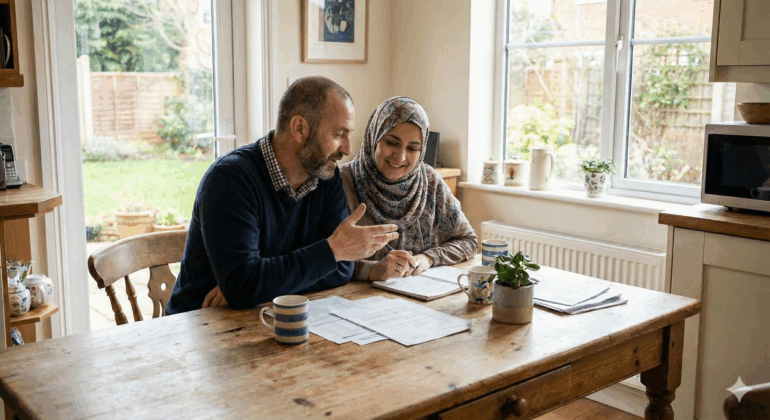
Written by Canvas of Thoughts, December 12, 2025
In a world where almost everything is available on demand, it’s easy to assume marriage works the same way.
We want instant happiness, instant stability, instant companionship.
But marriage isn’t something you can order up or fast-forward through. It takes time, effort, commitment, patience, and a willingness to change. Sometimes, effort just means carving out a little time each week to check in, even when life is hectic. Patience might look like listening—even when you disagree—so you both feel heard. Change could mean getting used to your partner’s new job or hobbies and rolling with it together. And commitment? That’s sticking around on the rough days and remembering what you love about each other. It’s these everyday actions—not the wedding party—that shape a marriage.
Marriage Is Not a “Happily Ever After”
Marriage isn’t about stepping into a fairytale ending. It’s about building something real—together—as you both change and life throws its curveballs.
People grow. Life changes. You’ll both pick up new responsibilities and perspectives along the way. The person you marry today won’t be exactly the same in five or ten years—and neither will you. Marriage is less about holding onto a single moment and more about learning to grow together, no matter what comes next.
A Partnership, Not a Performance
At its core, marriage is a partnership. It’s us against the world, not you versus me.
This partnership shows itself most clearly during difficult seasons—when life feels heavy, when expectations clash, when energy is low, or when one person is carrying more than the other. In these moments, a partner’s support looks like:
Active Listening: Ensuring your partner feels heard and valued before you offer a solution.
Redistributing the Load: Stepping in to take over chores or tasks when your spouse is overwhelmed.
Safe Dialogue: Creating a space where concerns can be voiced without fear of judgment.
Celebrating Small Wins: Checking in regularly to build resilience and trust.
The goal isn’t perfection. The goal is to commit to becoming better together.
Emotional Expectations & Growth
A lot of us go into marriage thinking our spouse should make us happy or that we always have to be their source of happiness. Some of us expect we’ll both stay the same as the years pass. But life has a way of changing us. Work, stress, kids, aging—all of it shapes how we show up for each other.
With emotional growth comes the need for emotional regulation, open communication, and healthy conflict resolution.
Emotional regulation starts with checking in on your own feelings before taking them out on your spouse. Marriage brings plenty of frustration, disappointment, and exhaustion, but if you can pause and think before reacting, you’ll avoid a lot of unnecessary hurt. Not every emotion needs to come out right away, and sometimes it’s okay to take a breath before saying what’s on your mind.
Open communication builds on that awareness. When spouses feel safe expressing concerns, needs, or discomfort without fear of being dismissed, trust deepens. Communication is not only about speaking—it is equally about listening with the intention to understand. When your spouse shares something they struggle with, it is worth reflecting on whether it is an area for growth or simply a difference in perspective.
When you combine emotional awareness and communication, you get healthy conflict resolution. You’re going to disagree sometimes—everyone does—but how you handle it matters most. The goal isn’t to win or prove you’re right. It’s about understanding each other and keeping respect front and center. With patience and sincerity, those tough moments can actually help you grow closer.
Values Over Fixed Roles
Traditionally, marriages often had clearly defined roles: men as providers, women as homemakers. While these structures worked for many families in the past, today’s economic and social realities look very different.
With rising living costs, many households rely on two incomes. This shift often means shared responsibilities—financial, emotional, and domestic. When both spouses are involved in raising children and managing the home, it not only eases the load but also models healthy relationships for the next generation.
Rather than rigid roles, focusing on shared values, cooperation, and mutual respect allows couples to adapt in ways that serve their unique circumstances.
The Importance of Financial Conversations
Finances are one of the most common sources of tension in marriage—not because of money itself, but because of unspoken expectations.
Conversations about finances should happen before marriage. Topics like student loans, spending habits, saving styles, and financial goals matter. There’s a difference between someone who occasionally spends impulsively and someone who consistently lives beyond their means.
Life can bring unexpected challenges—job loss, financial strain, or emergencies. These moments test the partnership. For example, when one spouse loses a job, couples who openly discuss their budget and work together to adjust spending often find the experience strengthens their sense of unity. Temporary hardship can be navigated together, but avoiding financial responsibility altogether can create lasting strain.
Understanding how each person views money helps prevent resentment later.
Self-Work: Before and During Marriage
Marriage is not a replacement for self-growth.
A helpful exercise is to write down your expectations of a spouse—then honestly ask yourself: Am I willing and able to offer the same?
If the answer is no, it may be worth rethinking those expectations. It’s unfair to demand what you’re unwilling to practice. Marriage thrives when both individuals continue working on themselves, not just on the relationship.
Reflect & Consider
Whether you’re single, newly married, or years into marriage, reflection is powerful:
- How do I define partnership?
- Am I open to growth and change?
- Have we spoken honestly about expectations—emotional, financial, and practical?
- Do I seek understanding before reacting?
Ultimately, understanding the true purpose of marriage is just as important as finding the right partner. We often spend years studying for our careers, yet we expect marriage to come naturally. But like any worthwhile pursuit, it requires study, effort, and preparation. When couples enter marriage with open eyes and willing hearts, they are better equipped to navigate life together—turning a simple contract into a lifelong sanctuary.