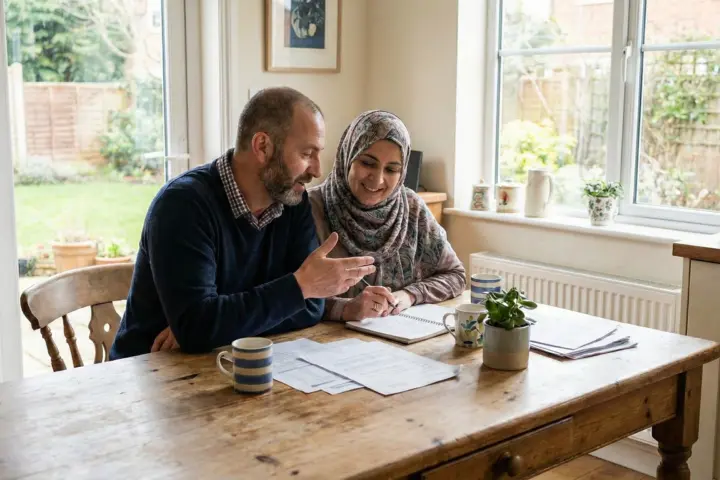
This is our summary of an article first published by Psychology Today (written by David Ludden, Ph.D.). Read the full piece on their site.
Read on Psychology TodayAn interesting, research-based look at how marriage gently reshapes both spouses. It encourages realistic expectations about the first year and a half.
Key takeaways
- Expect both you and your spouse to change somewhat in the early years of marriage.
- Satisfaction commonly dips after the wedding; this is normal, not a sign of failure.
- In this study, openness and emotional steadiness at the start predicted smaller drops in satisfaction.
- The emotional maturity each spouse brings into marriage matters a great deal.
- Work on your own emotional health before marriage; it shapes the home you build.
What the article says
Ludden reports on research by Justin Lavner and colleagues at the University of Georgia, which followed 169 newlywed couples and measured personality and marital satisfaction at six, twelve and eighteen months. Adult personality is usually fairly stable, but major life events can nudge it, and marriage requires daily adjustment. The study used the Big Five traits: openness, conscientiousness, extraversion, agreeableness and neuroticism, meaning emotional instability.
“If you’re thinking of getting married, you can expect your partner to change, but maybe not in ways you were expecting.”
David Ludden, Ph.D.
Over eighteen months, wives became less open, perhaps settling into routines. Husbands grew more conscientious, which Ludden links to learning dependability, and somewhat more introverted, possibly because married couples tend to narrow their social circles. Both spouses became less agreeable, especially wives, which the author reads as growing assertiveness. Wives also became markedly more emotionally stable, while husbands changed only slightly. Satisfaction fell for both over the period, but less so for husbands who started high in openness and for wives who started low in neuroticism.
Because the data are correlational, the researchers checked other explanations. Age at marriage and becoming parents did not account for the changes, so they think marriage itself is the likely cause, as spouses adapt to shared routines. Ludden's conclusion is that you can expect your spouse to change, though maybe not as you imagine, and that the personalities people bring into marriage remain the best predictor of how it will go: emotionally steady spouses tend to build steadier marriages.
Why it matters for Muslim marriages
Many Muslim couples marry after a relatively brief acquaintance, so the early months bring a lot of discovery and adjustment. This study is a reassuring reminder that change is normal and that a dip in the honeymoon glow is not a sign of a wrong choice. It also underlines why emotional maturity, patience and self-awareness are worth cultivating before marriage, for both men and women. Spouses who grow with mercy toward each other, and with patience for the changes they see, give their marriage room to settle into something steady and lasting.
Originally published by Psychology Today. Summary and reflections by the BeyondChai team.