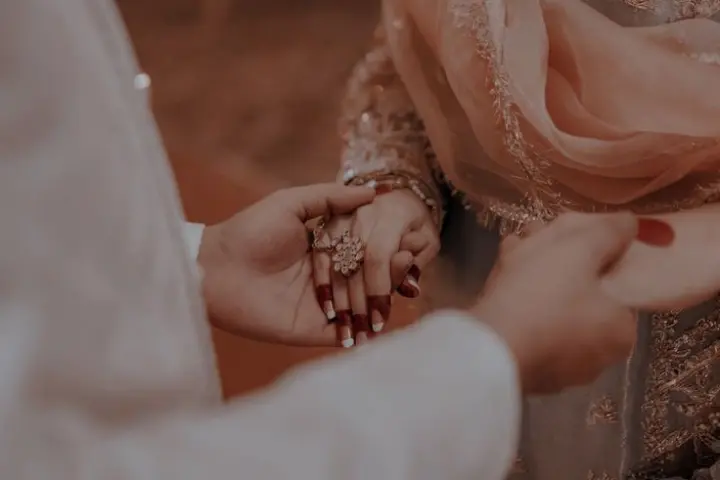
This is our summary of an article first published by Business Insider.
The early stage of getting to know a prospective spouse is when warning signs are easiest to miss. These expert observations help singles and parents notice patterns worth taking seriously.
Key takeaways
- If you keep explaining away behaviour that feels wrong, pause and take that unease seriously.
- Watch how they handle disagreement; walking away, blaming or shutting down are concerns.
- Someone who pushes past limits you set, or rushes commitment, is showing you how they treat boundaries.
- Notice whether giving flows both ways, or one person always serves the other's needs.
- Listen to how they describe past relationships; blaming everyone else is a pattern that may repeat.
What the article says
Business Insider gathered views from eight relationship specialists, many of whom work with people recovering from abusive relationships, on the signs that a new relationship should not go further. They stress that ordinary quirks and differences are not cause for alarm; the concern is feeling uneasy or having to compromise who you are. Psychologist Perpetua Neo warns that our minds can rationalise almost anything, so repeatedly excusing unkind or calculating behaviour is itself a signal. Coach Erika Ettin points to an unwillingness to talk through issues, whether through walking away, shutting down, blaming or tantrums.
“Never be rushed, even if it feels good.”
Tracy Malone
Psychologist Lisa Aronson Fontes describes constant testing of boundaries, such as pressuring someone to meet family, commit, or change their appearance before they are ready. Therapist Shannon Thomas highlights entitlement, where one person gives and the other simply takes. Others urge trusting your instincts, noticing when words and actions do not match, and slowing things down if someone tries to rush.
The final signs concern self-centredness and manipulation: turning every complaint back on you, describing all former partners as the problem, and dismissing or belittling your feelings until your confidence erodes. The experts link these patterns to narcissism and emotional manipulation, and suggest that how someone has treated others is a strong clue to how they will treat you.
Why it matters for Muslim marriages
The search for a spouse in our community often moves quickly, with families eager and little time spent together before commitment. That makes it all the more important to notice character during the introduction and engagement stage. A prospective spouse who respects your pace, accepts responsibility, and speaks fairly about others is showing qualities that will matter in marriage. Involving family and trusted elders can help you see clearly, but your own unease deserves weight too. Kindness and good character, not charm or urgency, are what make a home safe.
Originally published by Business Insider. Summary and reflections by the BeyondChai team.