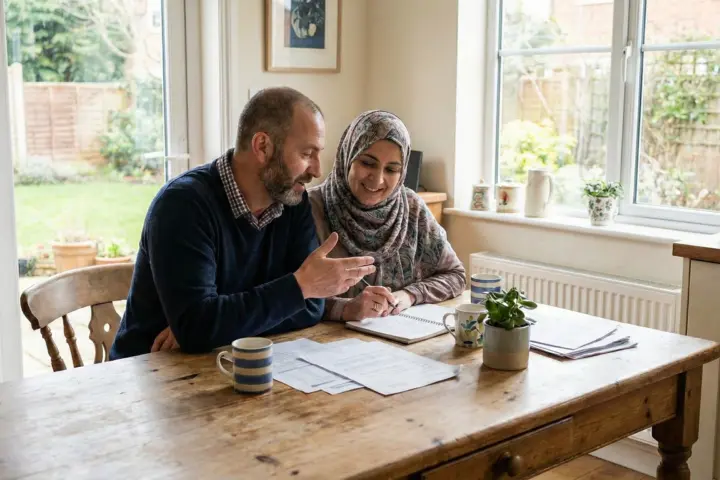
This is our summary of an article first published by University of Rochester Medical Center. Read the full piece on their site.
Read on University of Rochester Medical CenterSimple and sensible, this checklist is a good reminder for newlyweds and long-married couples alike that love grows through daily, deliberate effort.
Key takeaways
- Talk often about thoughts and feelings, not only bills and logistics.
- Each evening, name one thing you appreciated about your spouse that day.
- Make time as a couple, and also allow each other healthy personal time.
- When a disagreement heats up, step away, calm down, and return to it later.
- Deal with hurts, then let them go rather than revisiting old mistakes.
What the article says
The article begins by noting that wedding excitement can make it hard to imagine difficulties ahead, yet sharing a life is challenging, especially for people with little relationship experience. A good marriage needs love, commitment and respect, and it depends on both spouses doing their part every day.
“A marriage based on love and respect doesn't just happen.”
University of Rochester Medical Center
It lists several keys. Communicate honestly but kindly, listen to understand your spouse's needs, and talk regularly about more than practical matters. Express thanks for everyday contributions, perhaps by sharing one thing you appreciated each evening. Make time to enjoy each other's company, and at the same time protect some personal time for rest, friendships, learning or volunteering, which can make you value each other more.
The article also accepts that disagreement is normal. It advises staying fair and respectful, listening to the other view, stepping away to cool down if needed, and finding compromises where both give a little. Citing Dr. John Gottman's research, it names criticism, contempt, defensiveness and stonewalling as serious dangers, and notes that lasting couples argue without hostility, take responsibility and accept each other's efforts to make up. Finally, it encourages forgiveness: acknowledging hurt, releasing it and not repeatedly raising the past, while staying committed to the family you have built.
Why it matters for Muslim marriages
Many of these keys mirror qualities families already look for: honest speech, gratitude, patience in disagreement and a readiness to forgive. The reminder that each spouse also needs some personal time is worth discussing before marriage, since expectations differ across families and cultures. Islam encourages mercy and overlooking faults, and this article puts that into simple daily practice. For couples in the early months, choosing one or two of these habits to work on together can set a gentle, respectful tone for the years ahead.
Originally published by University of Rochester Medical Center. Summary and reflections by the BeyondChai team.