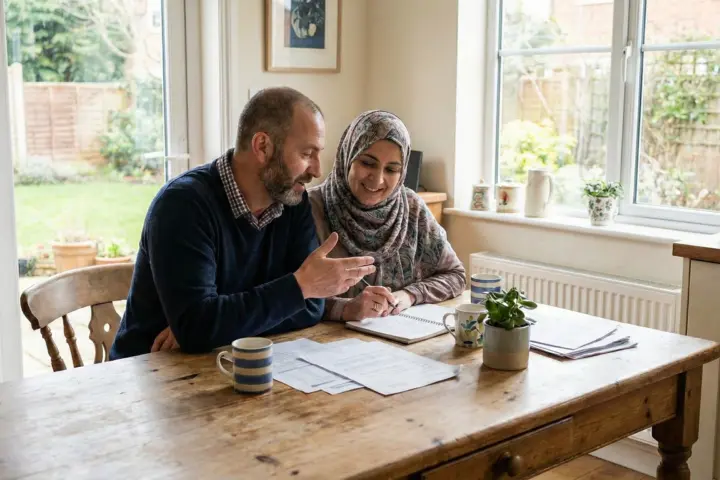
This is our summary of an article first published by The Gottman Institute (written by Nate Bagley). Read the full piece on their site.
Read on The Gottman InstituteMany singles carry the idea that marriage should simply make them happy. This piece offers a deeper, more durable purpose that resonates with a faith-based view of marriage.
Key takeaways
- Happiness comes and goes; it is a shaky foundation on which to build a marriage.
- Expect marriage to reveal your weaknesses, and treat that as an invitation to grow.
- Work on specific habits, like pausing, breathing and assuming good intent during tension.
- Supporting your spouse sometimes means honest, uncomfortable conversations, not just keeping them comfortable.
What the article says
Nate Bagley starts by challenging a popular social media sentiment that you deserve someone who makes you happy and never complicates your life. Such advice, he argues, sets couples up for disappointment, because happiness shifts with countless everyday factors and cannot be sustained permanently. He refers to Eli Finkel's argument that modern spouses expect more of each other than earlier generations did.
“The point of marriage is not happiness. The point of marriage is growth.”
Nate Bagley
His alternative is that marriage exists for growth. Drawing on David Schnarch's description of marriage as a human growth machine, he compares it to strength training: progress is gradual, uncomfortable and satisfying. He describes his own efforts to stop snapping at his wife when stressed by practising self-soothing, deep breathing and charitable assumptions, and says his wife has noticed the change. Marriage, he writes, exposes impatience and other flaws and tests a couple through illness, money worries, job loss, parenting and grief.
Citing John Gottman, he argues for a good enough marriage built on kindness, respect and loyalty, where conflict still happens but leads to understanding. He distinguishes pleasing a spouse, which can mean avoiding hard truths, from supporting them, which means standing by them and sometimes engaging honestly so both can grow.
Why it matters for Muslim marriages
Many Muslims understand marriage as a path of growth in patience, generosity and self-discipline, a relationship that refines character as much as it brings comfort. This article echoes that view in practical terms. Spouses will see each other's flaws, and that is part of the journey, not a failure. Approaching difficulties with patience, humility and a commitment to improve, rather than asking whether the marriage still feels good, can turn ordinary struggles into a source of mutual growth and reward.
Originally published by The Gottman Institute. Summary and reflections by the BeyondChai team.