This is our summary of an article first published by another publication.
Emotional abuse is often hard to name from the inside. This piece is careful not to stretch the term, yet gives clear signs that help readers and families recognise real harm.
Key takeaways
- A single heated argument or a forgotten anniversary is not, by itself, emotional abuse.
- Healthy spouses support each other's goals; abusive ones belittle or dismiss them.
- Notice whether your spouse comforts you in grief or shows little interest.
- Constant turmoil and being blamed for everything are serious warning signs.
- If the pattern fits, the author urges seeking help from a therapist.
What the article says
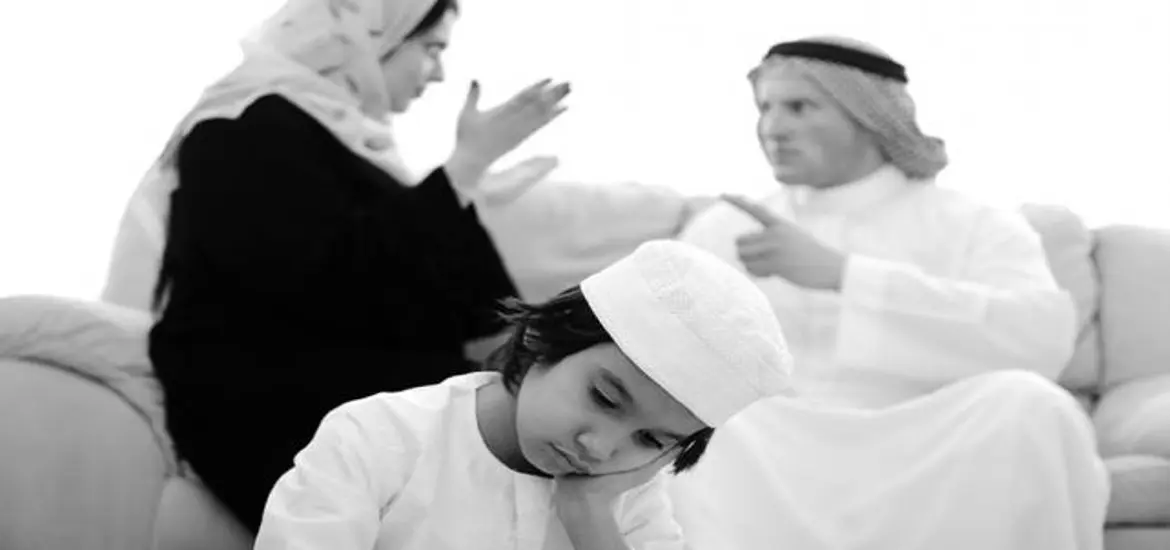
The article warns that the term emotional abuse is now used so loosely that it risks being diluted. An occasional fight where both people say regrettable things, or a forgotten anniversary, does not qualify. Real emotional abuse, the author explains, feels like a daily state of dread, exhaustion and anxiety, where all your energy goes into keeping the other person satisfied, without success. Because it becomes normal over time, people inside it may struggle to see it.
“A one-off fight with your partner in which you both say things you regret is not emotional abuse.”
The article
Five contrasts are offered as a guide. Supportive spouses welcome each other's plans, while abusive ones mock them. Healthy partners admire and encourage; abusive ones criticise in order to keep the other person small. A loving spouse offers comfort in hard times, while an abuser shows indifference because attention must stay on them. Healthy couples work to restore calm after difficult periods, whereas abusive relationships run on ongoing chaos. Finally, healthy people take responsibility for their own mistakes, while abusers blame their partner for nearly everything, sometimes reaching back years.
The author concludes that a healthy relationship is grounded in encouragement, admiration, empathy, stability and owning one's own mistakes, and encourages anyone who recognises the abusive pattern to see a therapist.
Why it matters for Muslim marriages
Our faith describes marriage as a bond of tranquility, affection and mercy, and no spouse, husband or wife, should live in constant fear or belittlement. We share this piece because families sometimes urge patience in situations that actually need protection. At the same time, it helps couples avoid labelling ordinary disagreements as abuse. If these signs feel familiar, please speak with a qualified counsellor, a trusted imam, or family members who will listen. Seeking help is not a failure; it is an act of care for yourself and your home.
Originally published by another publication. Summary and reflections by the BeyondChai team.