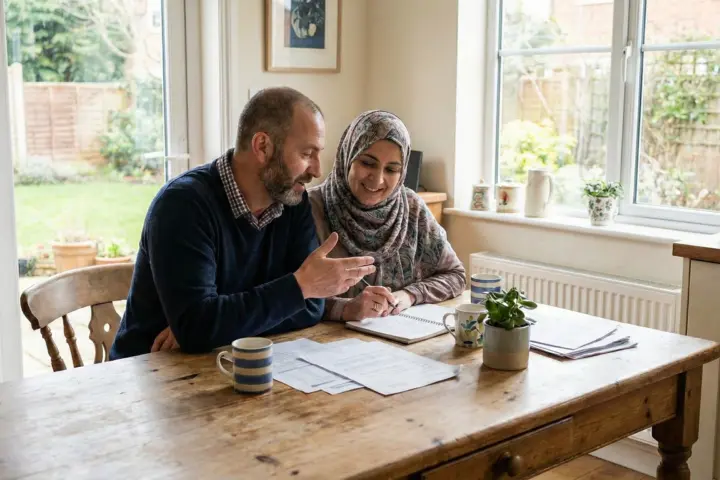
This is our summary of an article first published by American Psychological Association (written by Robin S. Haight and Dan Abrahamson). Read the full piece on their site.
Read on American Psychological AssociationThis concise, research-informed overview covers the essentials of a healthy marriage, including the often-overlooked value of getting support before problems grow.
Key takeaways
- Set aside a few minutes daily for deeper conversation, not just logistics.
- Raise concerns rather than bottling them up, but do so kindly.
- Avoid yelling, personal criticism and withdrawal; seek to understand your spouse's feelings.
- Break routine together by trying new activities, which helps prevent boredom.
- If the same argument keeps recurring, consider counselling; marriage education can help even before trouble.
What the article says
Psychologists Robin Haight and Dan Abrahamson open by noting that relationships matter greatly to wellbeing and are not always easy, then set out steps for keeping a partnership healthy. Communication comes first. Healthy couples check in regularly and talk about more than children and chores, ideally spending a little time each day on deeper subjects. Difficult issues should not be avoided, since buried concerns breed resentment, but kindness matters. They cite research that communication style predicts divorce more strongly than commitment level, personality or stressful events, with anger and contempt especially harmful.
Destructive habits during arguments, such as yelling, personal attacks or withdrawing, are linked with breaking up, while constructive approaches include trying to understand what your partner feels, listening, and using humour. The authors also stress staying connected amid children and careers, citing a study in which boredom in the seventh year of marriage predicted lower satisfaction years later. They suggest regular time together and trying new activities, and note that intimacy is an important part of marriage that busy couples may need to plan for.
Finally, they observe that money and parenting often cause repeated disputes, and that having the same fight again and again signals it may be time to see a psychologist. Marriage education that teaches communication and conflict skills, they add, has been shown to lower divorce risk even for couples not yet struggling.
Why it matters for Muslim marriages
It can feel uncomfortable in our community to ask for outside help with a marriage, as if it were an admission of failure. This article offers a healthier view: learning communication skills is wise preparation, and counselling is a tool, not a verdict. We encourage engaged couples to consider premarital education, and married couples to seek a trusted counsellor or imam when the same argument keeps returning. Alongside this, daily conversation, kindness in hard discussions and shared time keep the bond of mercy and affection strong through busy years.
Originally published by American Psychological Association. Summary and reflections by the BeyondChai team.